Trauma and PTSD
Trauma isn't just what happened to you. It's what your body and mind learned to do to survive it. The good news is what was learned can be unlearned, with the right support.

Trauma doesn't always look like what you'd expect. It's not always a single, obvious event. Sometimes it's something that happened once, and sometimes it's something that happened over and over until it became part of how you moved through the world. Either way, it leaves a mark, even when it's hard to name or explain to someone else. Here is what that can look like:
What brings people here is not always a single event. Trauma comes in many forms.
An assault, an accident, a difficult childbirth.
Growing up with instability, neglect, or fear.
A long stretch that never had a name
Sleep that will not come
A startle that does not match the room
Numbness, or anger that seems to belong somewhere else
Whatever it looks like for you, it's not something you have to carry alone or figure out how to manage forever.
We chose the name Decades for both halves: the years behind you, and the years still ahead. What you have been through is real. It does not get to write the rest of the story.
We start slower than most people expect. First, we build enough safety, resourcing, containment, and trust so that processing the trauma is something you choose, not something you're rushed into. The goal is that when you think back on it, you're remembering it, not reliving it.
Consultation (20 minutes, free): You say as much or as little as you want. It ends in a recommendation, not an assignment.
First sessions: Tell us what matters to you, what you have been carrying, and how we can support you. We'll go at your pace.
When processing starts: We go one piece at a time (a memory, a body feeling, a pattern), not the whole story in one sitting. We keep a temperature check on how you are doing inside. If it is too much, we slow down or stop.
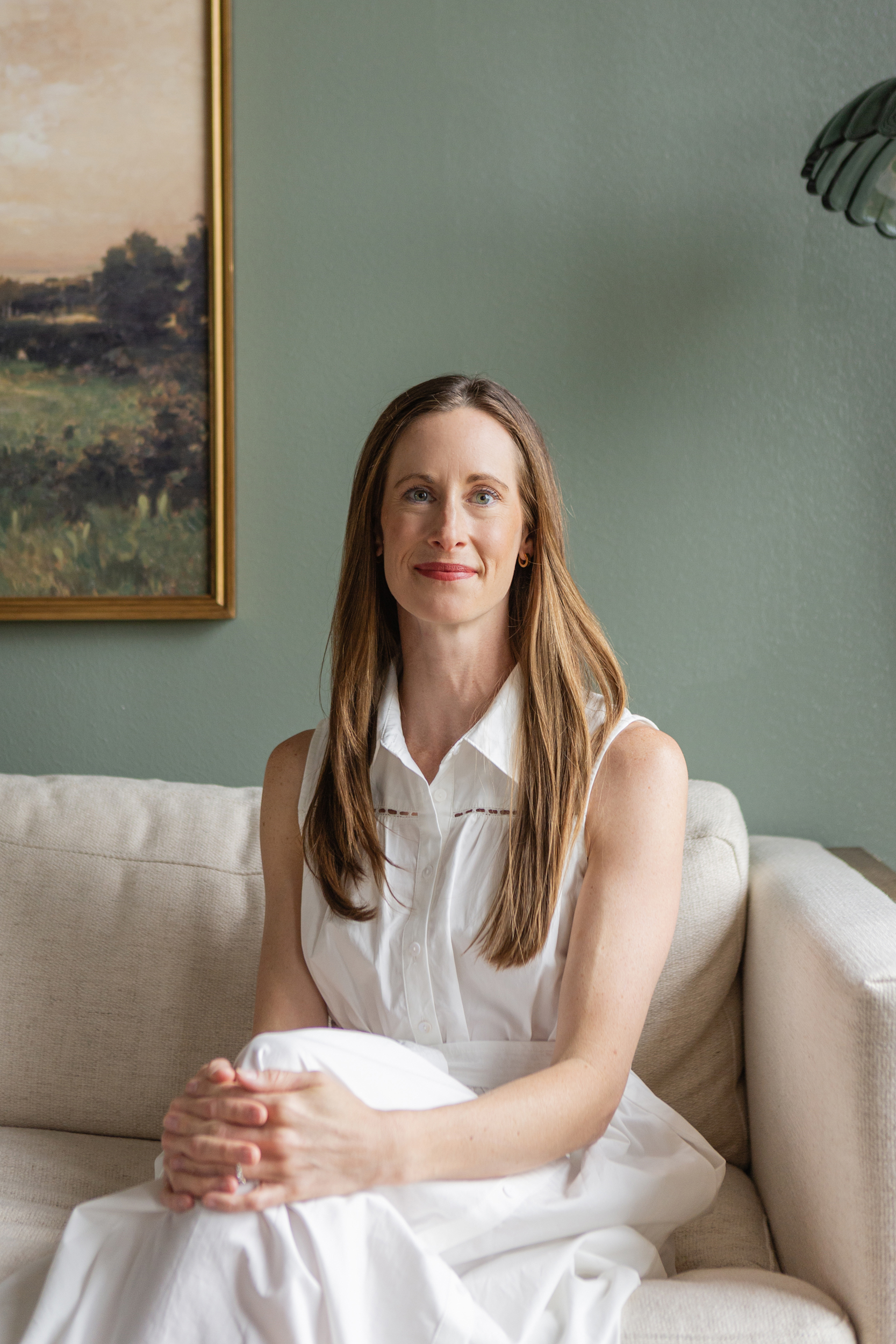
Ellen Johnson
MA, LPC | Clinical Director
Trauma therapy can look like weekly or biweekly sessions with a trauma-informed therapist, or an EMDR intensive. Both approaches work. Which one fits depends on your schedule, your goals, and how quickly you want to move.
Weekly or biweekly sessions build steadily over time. There's room to process between appointments, and the pace stays manageable alongside work and family life.
An EMDR intensive condenses that work into longer sessions over a few days. It's a fit for people who want focused, uninterrupted time on a specific memory or pattern, or who are traveling in and can't commit to weekly appointments.
You don't have to know which one is right for you before a consultation call. That's a conversation we can have together.
Our clinicians are trained in trauma-informed approaches, and we offer intensives for people who want to move faster or can't commit to weekly appointments. You'll be matched with someone whose training fits what you're dealing with, not just whoever has an opening.
Only as much as you want to. How much you say, and when is always your choice. There are ways to process trauma without going into the details of what happened.
No. Weekly sessions, EMDR, or an intensive. We decide together.
If it is affecting you, it counts. Don't dismiss yourself because you think it's not big enough to matter.
That is what the consultation is for. We will say so, and point you somewhere better if needed.
Appointments Monday to Friday, 8am to 8pm, in person in Central Austin (across from Pease Park) or virtually across Texas. Weekends are sometimes available, so please ask if that works better for you.
We do not bill insurance directly. We can check your out-of-network benefits by hand before you commit.
Say so on the consultation. Some clinicians offer a reduced fee while working under supervision.
Twenty free minutes. You say what you can. We tell you honestly if this is the right place, including rates, insurance, and timing.
Book a free consultationYou tell us what is going on, in whatever words you have.
We talk through what would help.
You leave with a name, or somewhere else to look. Either way you are not back at the search bar.
%20(1).png)
